
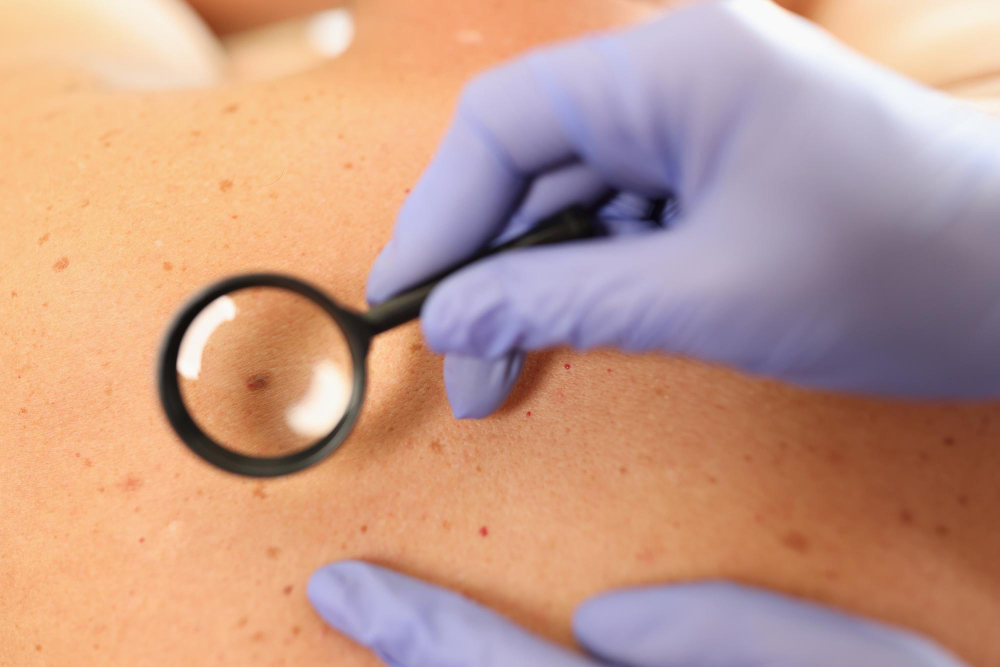
Skin Cancer in Australia
Australia has some of the highest rates of skin cancer in the world, even higher than the United States, Canada and the United Kingdom.
With intense UV levels throughout the year, understanding how skin cancer develops, recognising early symptoms and knowing how to protect yourself are essential steps toward long-term health.
This guide breaks down everything you need to know, based directly on evidence, national cancer data and the clinical expertise of Dr. Lucas, who is trained in the identification and management of skin cancers.
What Is Skin Cancer?
Skin cancer occurs when skin cells are damaged, most commonly by overexposure to ultraviolet (UV) radiation from the sun. This damage affects the DNA inside skin cells, causing them to grow abnormally and uncontrollably.
There are three main types of skin cancer:
-
- Basal Cell Carcinoma (BCC)
-
- Squamous Cell Carcinoma (SCC)
-
- Melanoma
Basal and squamous cell cancers are known as non-melanoma skin cancers.
They tend to be less invasive than melanoma but can still cause significant local damage if left untreated.
How Common Is Skin Cancer in Australia?
Skin cancer is extremely common in Australia. According to national statistics:
-
Around 2 in 3 Australians will be diagnosed with skin cancer by the age of 70.
-
Non-melanoma skin cancer is almost twice as common in men as in women.
-
Melanoma is the third most common cancer among Australians.
-
In 2015, 13,694 people in Australia were diagnosed with melanoma.
-
Every year:
-
Skin cancers account for ~80% of all new cancer cases.
-
GPs see more than 1 million consultations for skin cancer.
-
Australia’s skin cancer rates are 2–3 times higher than Canada, the USA and the UK.
-
In 2016 alone, 1,960 Australians died from skin cancer.
These numbers highlight the urgency of prevention and early detection.
Skin Cancer Symptoms: What to Look For
The earlier a skin cancer is detected, the greater the chance of successful treatment, and the lower the likelihood of surgery, scarring or life-threatening complications.
Become familiar with your skin and pay attention to any changes. Look for:
-
Crusty, non-healing sores or pimples
-
Red, pale or pearly-coloured lumps
-
Areas that bleed easily or repeatedly with minimal trauma
-
Spots that look different from others around them
-
New lesions, freckles or moles
-
Moles changing in colour, thickness or shape over weeks to months
If something looks unusual, changing or persistent, it’s time to get it checked.
How Is Skin Cancer Diagnosed?
Skin cancer can be challenging to identify, even for trained professionals. Some lesions look like harmless moles, while others are nearly invisible to the naked eye.
This is why it is essential to see a doctor who has experience in diagnosing and managing skin cancers.
At LDS, Dr. Lucas uses a dermoscope, an advanced magnifying instrument that reveals structures beneath the skin surface. This tool allows him to identify suspicious features that would otherwise go unnoticed and determine whether a lesion should be treated, monitored or removed.
Self-checks are important, but professional skin checks remain the safest method for early detection.
What Causes Skin Cancer?
Australia’s high UV index is the most significant contributor to skin cancer rates, but sun exposure is not the only factor.
The Major Causes Include:
Sunburn
-
Causes 95% of melanoma, the most serious form.
-
Common even on cool or cloudy days.
-
Regular, repeated exposure to UV radiation (even without burning) increases risk.
Tanning (Natural or Artificial)
-
A tan is not a sign of health, it is evidence of UV damage.
-
Tanning leads to wrinkles, sagging, discolouration and increases cancer risk.
-
Fake tans do not protect the skin.
Solariums
-
Emit UVA and UVB radiation, both known to cause cancer.
-
Commercial solariums have been banned across Australia since 2016.
Genetics
-
Some individuals have inherited tendencies to develop skin cancer.
Smoking
-
Associated with increased risk of certain skin cancers.
Immunosuppressive Medications
-
Reduce the immune system’s ability to protect against cancer.
-
Common in conditions such as rheumatoid arthritis, lupus or post-cancer treatments.
Old Burns
-
Scarred areas from past burns have a higher chance of forming squamous cell carcinoma.
How to Prevent Skin Cancer
Prevention is one of the most effective tools in reducing skin cancer risk.
The most important step is monitoring the UV Index, available on apps such as SunSmart. Whenever UV levels are 3 or above, protective measures are essential:
– Slip on protective clothing
Covers as much skin as possible.
– Slop on SPF 30+ sunscreen
Apply 20 minutes before going outside and every 2 hours.
SPF does not extend safe sun time.
– Slap on a wide-brimmed hat
Protects the face, head, neck and ears.
– Seek shade
Especially during midday when UV levels peak.
– Slide on Australian-standard sunglasses
Protects your eyes and the delicate skin around them.
Consistent sun protection dramatically reduces the risk of all types of skin cancer.
When to See a Skin Doctor
You should book a professional skin check if you notice:
-
Any new or unusual spot
-
A sore that doesn’t heal
-
A mole changing shape, colour or size
-
Areas that don’t look like the rest of your skin
-
Frequent bleeding or irritation
When in doubt, get it checked. Early intervention saves lives.
The Bottom Line
Skin cancer is common, serious and often silent, but also highly treatable when detected early.
Living in Australia means facing some of the strongest UV exposure in the world, making awareness and prevention essential parts of everyday life.
By staying vigilant, protecting your skin and seeking regular professional assessments, you significantly reduce your risk.
If you have concerns or want a thorough skin check, book a consultation at LDS Clinic.
Your skin’s health, and your peace of mind, are worth it.
Resources:
Skin Cancer Council Australia – https://www.cancer.org.au/about-cancer/types-of-cancer/skin-cancer.html
